
Editorial Platform — Informational content only. No services, no sales, no deliveries. Read full notice
+40 598 147 176TimișoaraOpen Mon-Fri 9-18
Refined Living 2026

Organic Food Preparation Techniques

Master the art of preparing wholesome, nutrient-rich meals using traditional and modern organic cooking methods.

Medical Disclaimer

The information on this site is for educational purposes only and does not constitute medical advice. Always consult a qualified healthcare professional before making health decisions.

Browse by Category

Featured Preparation Methods

Knife Skills & Cutting Techniques

Learn proper knife handling, julienne, brunoise, and other cutting methods that preserve nutrients and enhance presentation. Understanding blade angles and pressure techniques ensures uniform cooking and optimal texture in every dish.

Read more

Soaking & Sprouting Methods

Discover how soaking grains, legumes, and nuts reduces anti-nutrients and increases bioavailability. Sprouting techniques activate enzymes and enhance nutritional density, transforming seeds into living foods packed with vitality and wholesome nutrition.

Read more

Fermentation Fundamentals

Master traditional fermentation to create sauerkraut, kimchi, kombucha, and other probiotic-rich foods. Learn salt ratios, temperature control, and vessel selection to cultivate beneficial microorganisms naturally for enhanced digestive wellness.

Read more

Low-Temperature Cooking

Explore gentle cooking methods that preserve heat-sensitive vitamins and enzymes. Slow cooking, steaming, and water-bath techniques maintain nutritional integrity while developing deep flavors and tender textures in vegetables, grains, and plant-based proteins.

Read more

Raw & Cold Preparation

Prepare vibrant raw salads, blended smoothies, and cold-pressed juices that capture the essence of fresh produce. Learn proper washing, storage, and combining strategies to maximize enzyme availability and sensory enjoyment in every bite.

Read more

Preservation & Storage Techniques

Master drying, canning, pickling, and freezing methods to extend the season's bounty year-round. Proper preservation maintains nutritional value while preventing food waste, allowing you to enjoy organic produce at peak freshness throughout all seasons.

Read more

Artisan Baking & Bread Making

Learn traditional bread-making with natural fermentation, long hydration, and whole grain flours. Understand gluten development, sourdough cultures, and the science of leavening to create nourishing loaves with superior digestibility and wholesome taste.

Read more

Herbal & Medicinal Infusions

Prepare teas, decoctions, and herbal waters from organic herbs and botanicals. Learn steeping times, temperature guidelines, and plant combinations that honor traditional knowledge while unlocking the beneficial compounds in dried flowers, leaves, and roots.

Read more

Why Proper Preparation Matters

Organic food preparation is not merely about cooking—it's about honoring the full nutritional potential of wholesome ingredients. Each technique covered in our articles has been carefully selected to help you maximize flavor, nutrition, and food safety while maintaining respect for the plant or ingredient.

From cutting vegetables at the right angle to preserve cell integrity, to understanding fermentation science that activates beneficial enzymes, proper preparation transforms simple ingredients into meals that nourish body and spirit. Our editorial team explores both time-honored traditions and modern food science to give you complete knowledge.

  • Preserve maximum nutritional content through science-backed methods
  • Reduce anti-nutrients and improve digestibility naturally
  • Develop deeper flavors through proper fermentation and aging
  • Extend seasonal abundance through year-round storage methods
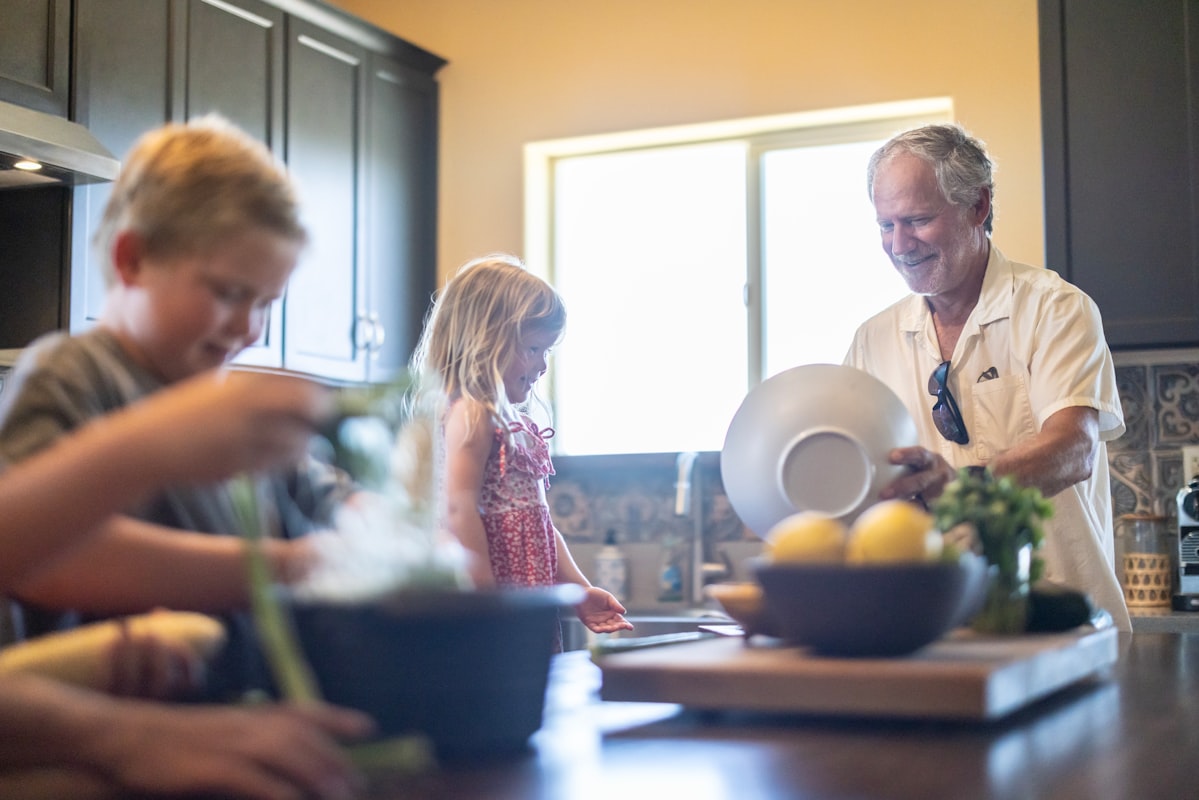
Organic vegetables being prepared with proper knife technique
Featured

Preparation Method Quick Reference

Popular

Vegetable Preparation

  • Leafy Greens: Wash gently, dry thoroughly, tear by hand to avoid oxidation
  • Root Vegetables: Scrub clean, peel thinly to preserve nutrients under skin
  • Cruciferous: Cut and let sit 5-10 minutes before cooking to activate compounds
  • Nightshades: Remove seeds carefully, cook with healthy fats for better absorption
New

Grains & Legumes

  • Soaking Time: 8-12 hours for beans, 2-4 hours for grains minimum
  • Sprouting: Rinse twice daily, germinate 2-5 days until tail emerges
  • Cooking: Use soaking water or fresh filtered water with kombu for minerals
  • Digestion: Add cumin, fennel, or ginger during cooking to aid assimilation
Recommended

Fermentation Basics

  • Salt Ratio: 2-3% salt by weight creates optimal brine for lacto-fermentation
  • Temperature: Keep between 60-72°F (16-22°C) for ideal microbial activity
  • Duration: 3-7 days for vegetables, 2-4 weeks for deeper flavor development
  • Storage: Keep submerged under brine, transfer to cool location after fermentation

Preservation Methods

  • Drying: Use low heat (100-145°F) or air-dry to preserve enzymes
  • Freezing: Blanch lightly, cool rapidly, store in airtight containers
  • Dehydrating: 6-24 hours depending on thickness and water content
  • Pickling: Use vinegar or salt brines, store in cool dark location

Latest Editorial Features

FERMENTATION

Understanding Lactobacillus: The Science Behind Fermented Foods

Discover how beneficial bacteria transform vegetables into living foods rich in enzymes and organic acids. Learn the conditions that support lacto-fermentation and how to recognize signs of successful fermentation in your kitchen.

Read article
BAKING

Sourdough Mastery: Creating Your First Starter and Beyond

Explore the ancient art of sourdough fermentation that pre-digests grains naturally. This comprehensive guide covers starter maintenance, hydration science, and troubleshooting common challenges to achieve bakery-quality loaves at home.

Read article
RAW FOODS

Enzyme Preservation: Cooking at Optimal Temperatures

Learn why temperature matters when preparing organic foods and how to calculate safe cooking temperatures that preserve heat-sensitive enzymes. Understand the science of protein denaturation and optimal nutrient retention strategies.

Read article

Stay Updated with Organic Cooking Tips

Subscribe to receive our latest articles on food preparation techniques, seasonal recipes, and food science insights delivered directly to your inbox.

We respect your privacy. Our content is educational and informational. You can unsubscribe anytime.

Frequently Asked Questions

Soaking is a preparatory step that softens seeds, grains, and legumes by immersing them in water, typically for 8-12 hours. It reduces phytic acid and enzyme inhibitors. Sprouting takes this further by allowing germination to occur, where the seed begins to grow a small shoot. Sprouting activates enzymes, increases nutrient bioavailability, and creates living food with enhanced nutritional density. Both processes improve digestibility and nutrient absorption significantly.

What Our Community Says

"I've been fermenting for three months now thanks to these guides. My digestion improved noticeably, and I love knowing exactly what's in my food. The step-by-step instructions made it foolproof!"

— Sarah M., Portland, OR

"The wellness cooking approach transformed how I think about nutrition. I'm saving money, reducing waste, and my whole family is healthier. Highly recommend to anyone serious about wellness!"

— James K., Austin, TX

"As someone with IBS, fermented foods have been a game-changer. The detailed science behind each technique gave me confidence to experiment safely with my own recipes."

— Maya R., Seattle, WA

"Wellnesscookingtrain gave me the confidence to start my own fermentation journey. The troubleshooting section alone is worth its weight in gold!"

— David T., Denver, CO

Ready to Start Your Fermentation Journey?

Join thousands of wellness-minded individuals transforming their health through fermented foods and mindful cooking practices.

✓ Free beginner guides ✓ Expert support ✓ Community access

Wellnesscookingtrain

Empowering wellness through fermentation and mindful cooking practices.

Learn

Community

Connect

© 2024 Wellnesscookingtrain – CUI: RO78435497. All rights reserved. | Privacy Policy | Terms of Service

This site provides educational content only. We do NOT offer medical consultations, sale of products, deliveries, or refund policies. For medical advice, consult a licensed professional.