
Master Organic Food Preparation Techniques
Discover evidence-based methods for preserving nutrients and flavors in organic ingredients. Learn professional preparation skills used by culinary experts worldwide.
The information on this site is for educational purposes only and does not constitute medical advice. Always consult a qualified healthcare professional before making health decisions.
Essential Preparation Features
Nutrient Preservation
Learn cutting and storage techniques that minimize nutrient loss. Proper handling of organic vegetables and fruits ensures maximum retention of vitamins, minerals, and antioxidants throughout the preparation process.
Water Management
Understand optimal washing protocols that remove soil while protecting delicate produce. Master techniques for soaking, rinsing, and drying that respect the integrity of organic ingredients without harsh chemicals.
Temperature Control
Master heat management for cooking, fermenting, and food preservation. Learn how different temperatures affect organic compounds, enzyme activity, and flavor development in plant-based foods.
Cutting & Chopping Mastery
Develop knife skills for different produce types and preparation goals. Discover how blade angle, pressure, and cutting methods influence texture, cooking time, and nutrient bioavailability.
Storage Solutions
Learn evidence-based storage methods for extending shelf life naturally. Explore techniques for root vegetables, leafy greens, grains, and legumes that maintain freshness and nutritional quality.
Ingredient Activation
Master soaking, sprouting, and fermentation techniques to enhance digestibility. Learn how traditional preparation methods increase bioavailability of minerals and reduce natural anti-nutrients.
Preparation Workflow
Selection & Inspection
Begin with quality assessment. Examine organic produce for ripeness, firmness, and absence of damage. Choose ingredients at peak maturity for optimal flavor and nutrient density.
Gentle Cleaning
Use cool filtered water and soft brushes for delicate produce. Wash just before use to prevent premature spoilage. Avoid chemical treatments and respect the natural protective coatings.
Preparation Techniques
Apply appropriate cutting, peeling, and processing methods based on intended use. Consider exposure time to air and light to minimize oxidation. Use sharp tools for clean cuts.
Proper Storage
Store prepared ingredients in appropriate conditions for intended timeframe. Use glass containers when possible. Maintain optimal temperature and humidity to preserve freshness and nutrient content.
Preparation Techniques in Action

Leafy Green Techniques
Learn proper handling of delicate greens including washing, drying, and storage methods that prevent wilting and maintain nutritional value for salads and cooking.
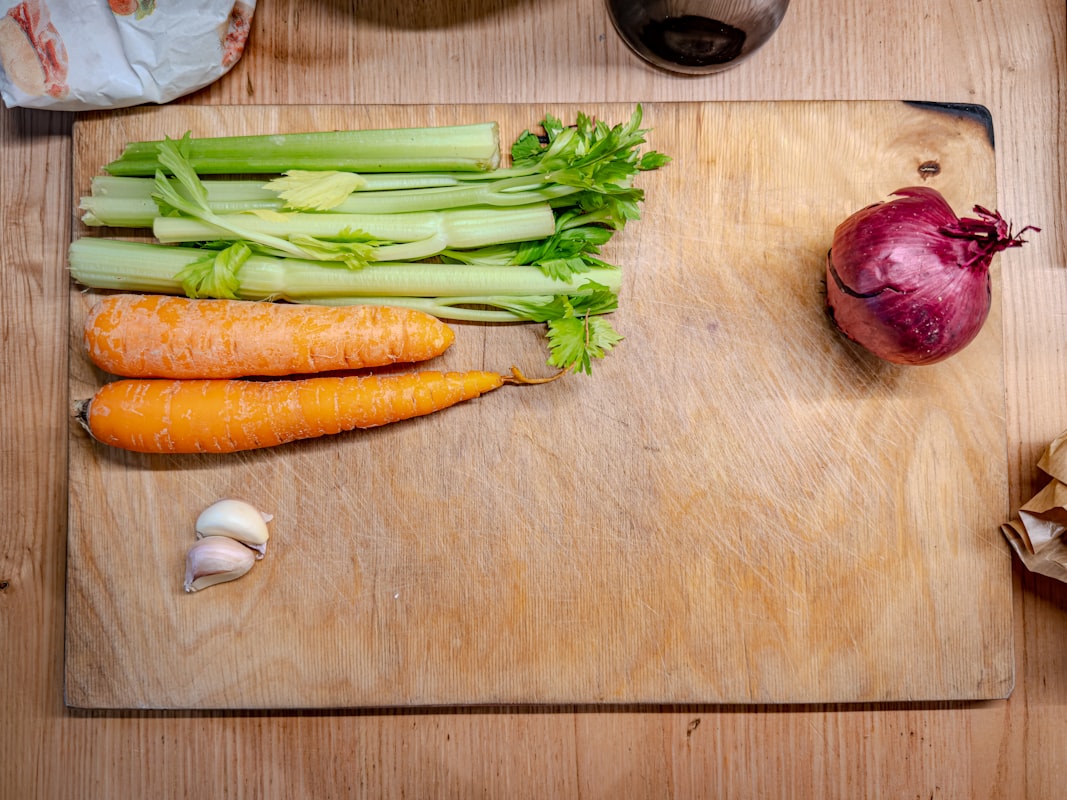
Root Vegetable Processing
Master techniques for potatoes, carrots, beets, and tubers including peeling strategies, cutting methods, and storage approaches that maintain quality.
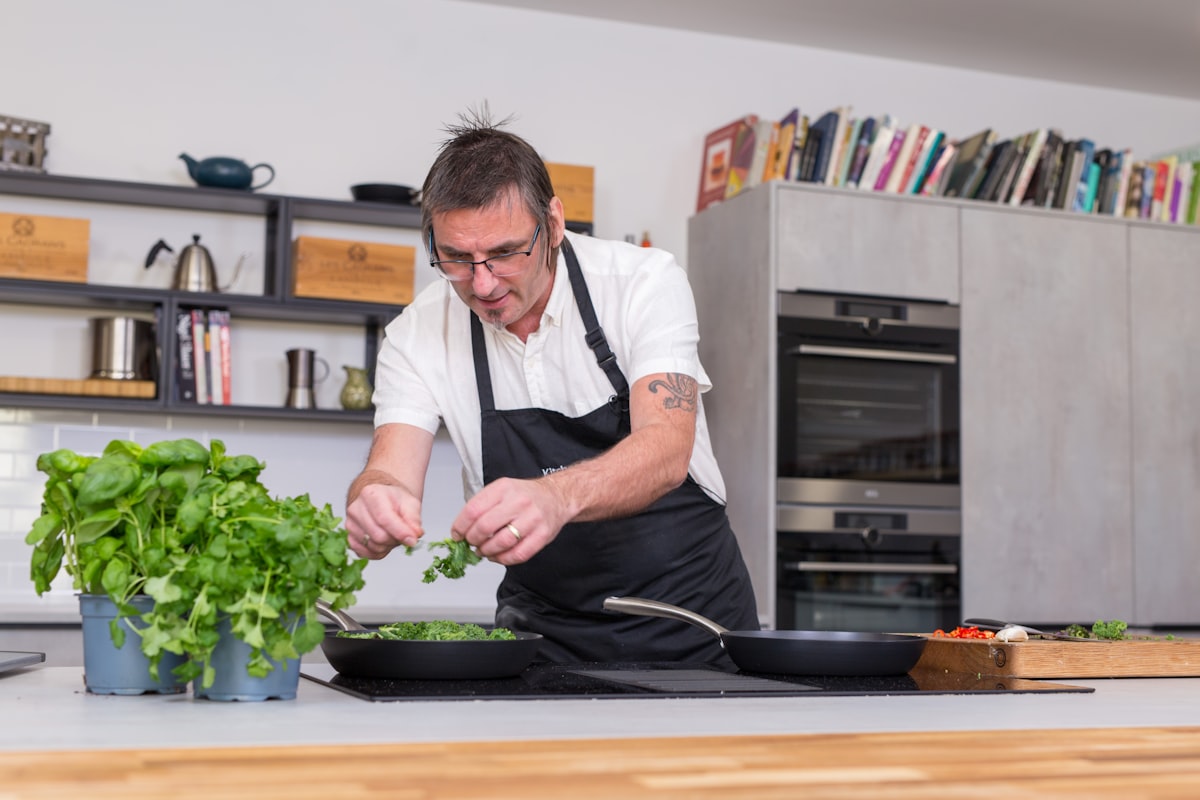
Grain & Legume Preparation
Discover soaking, sprouting, and cooking techniques that enhance digestibility and nutrient absorption of beans, lentils, and whole grains.
Fruit Preparation Methods
Learn techniques for stone fruits, berries, and citrus that preserve delicate textures and maximize flavor while maintaining nutritional integrity.

Sprouting & Fermentation
Explore traditional methods for activating seeds and vegetables through sprouting and fermentation to enhance bioavailability and create beneficial probiotics.

Natural Preservation
Discover organic preservation methods including drying, freezing, and canning that extend shelf life while maintaining nutritional quality without synthetic preservatives.
Why Organic Preparation Matters
Organic ingredients represent a significant investment in quality. Proper preparation techniques ensure you receive maximum benefit from their nutrient density and chemical-free nature. Unlike conventional produce, organic foods may contain beneficial soil microbes and unchanged enzyme profiles that deserve careful handling.
Professional preparation methods developed over centuries in culinary traditions demonstrate that how you handle food affects not only taste and texture but also its bioavailability. Simple adjustments to cutting, soaking, and cooking techniques can significantly enhance your body's ability to utilize the nutrients present in organic ingredients.
Maximize Nutrient Retention
Techniques that minimize exposure to heat, light, and air preserve vitamins and minerals present in organic produce.
Enhance Digestibility
Soaking, sprouting, and fermentation reduce anti-nutrients and increase the bioavailability of minerals and proteins.
Preserve Natural Flavors
Careful handling protects the delicate compounds responsible for taste and aroma in organic ingredients.
Reduce Food Waste
Proper storage and handling extend shelf life, allowing you to use organic ingredients at their peak quality.
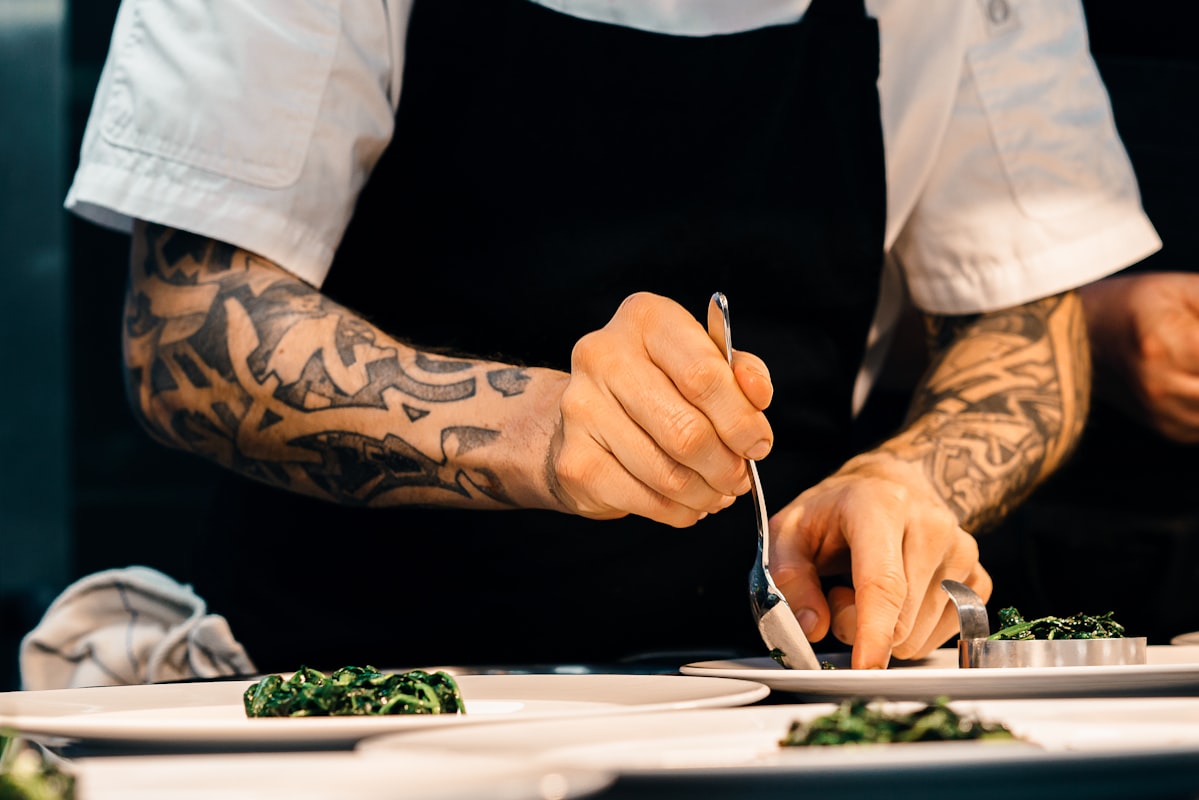
Essential Preparation Tools & Equipment
Quality Cutting Tools
Sharp stainless steel knives with proper edge retention make clean cuts without crushing cell walls. Include chef's knife, paring knife, and serrated blade for different produce types.
- 8-inch chef's knife
- 3-inch paring knife
- Serrated bread knife
Washing & Draining
Soft brushes for gentle cleaning, colanders for drainage, and salad spinners for removing excess water without bruising delicate produce.
- Soft vegetable brush
- Stainless steel colander
- Salad spinner
Measuring & Weighing
Accurate measurement ensures consistent results in recipes. Digital scales provide precision for soaking ratios, and measuring spoons for precise ingredients.
- Digital kitchen scale
- Measuring cups
- Measuring spoons
Storage Containers
Glass containers with airtight seals protect prepared ingredients from light and air exposure. Avoid plastic when possible for long-term storage.
- Borosilicate glass jars
- Airtight lids
- Dark storage containers
Processing Equipment
High-speed blenders and food processors handle grinding, blending, and chopping tasks. Quality equipment minimizes oxidation and heat generation.
- High-powered blender
- Food processor
- Mortar and pestle
Temperature Control
Accurate thermometers for monitoring cooking temperatures, and proper cookware for even heat distribution that preserves nutrients.
- Food thermometer
- Cast iron cookware
- Stainless steel pots
Common Questions About Organic Preparation
Meal prepping saves time and ensures consistent healthy eating. Start by choosing 2-3 simple recipes with overlapping ingredients to reduce waste. Prepare components rather than full meals: cook grains in bulk, roast vegetables, grill proteins, and store separately in glass containers. This allows mix-and-match flexibility throughout the week. Most prepped ingredients last 3-4 days refrigerated. Dedicate 1-2 hours on Sunday or your preferred day. Keep dressings and sauces separate to maintain freshness. Label containers with dates and contents. Consider batch-cooking soups or stews which actually improve with time as flavors develop.
What Our Community Says
Real stories from people transforming their wellness journey with Wellnesscookingtrain
James Mitchell
Fitness Enthusiast
"The wellness recipes and cooking techniques have completely changed how I approach nutrition. I've lost significant weight while actually enjoying my meals. The educational approach really sets this apart from generic diet plans."
Sarah Rodriguez
Health Coach
"As a health coach, I recommend Wellnesscookingtrain to all my clients. The science-backed content and practical recipes make it easy for people to understand why healthy eating matters and how to do it right."
Maria Keene
Busy Professional
"I never thought I'd have time for healthy cooking, but the quick recipes and meal prep guides fit perfectly into my schedule. Now I have sustained energy throughout the day instead of the afternoon crashes I used to get."
Ready to Transform Your Wellness Journey?
Join thousands of people who've already discovered the power of wellness-focused cooking. Start with our free introductory resources today.
10K+
Active Members
Molti
Wellness Recipes
Alta
Satisfaction Rate
Wellnesscookingtrain
Empowering healthy living through science-backed wellness cooking education and practical nutrition guidance.
Wellness Categories
© 2024 Wellnesscookingtrain – CUI: RO78435497. All rights reserved. Empowering wellness through knowledge and practice.